1. Always Have a Daypack—Even If You’re Not Hiking
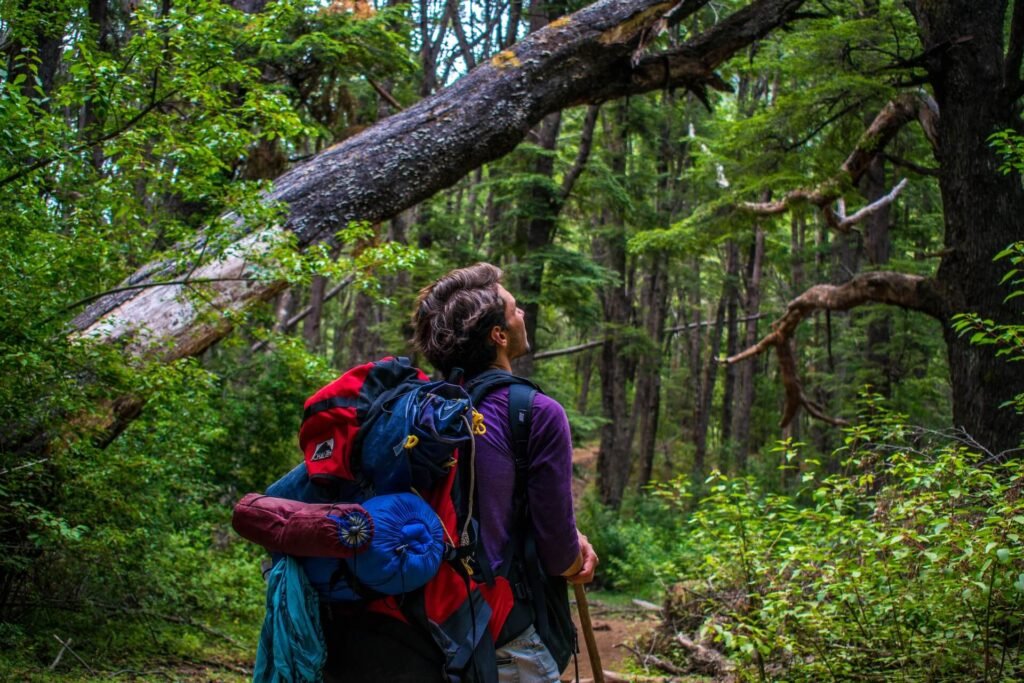
Dominica is full of surprises. One moment you’re heading to town, the next you’re climbing a hill for a view or following a local’s tip to a hidden jungle path. Spontaneity rules here—so come prepared.
Toss together a go-bag: sunscreen, hat, bug spray, a change of clothes (or at least dry shoes), and a reusable water bottle are essentials. For extra points, add a power bank, towel, compact first-aid kit, and snacks. You’ll be ready for anything the island throws at you—without ending up sunburned or soggy.
2. Don’t Wait Around for the Check
In Dominica, lingering over a meal is the norm. Your server isn’t ignoring you—they’re giving you time and space to relax. If you’re ready to go, simply let them know. It’s not rude; it’s expected.
3. You Probably Can Do the Boiling Lake Hike
There’s no official fitness test for tackling Boiling Lake, and hikers of all ages and body types complete it regularly. It’s tough—yes—but doable for anyone who can handle stairs and keeps a steady pace.
That said, know your limits. If you’re slower-paced, enjoy taking photos, or want breaks to soak it all in, start early—around 6 a.m.—so you’ve got a full day to work with. And no matter your experience level, bring a local guide. You’ll be safer, more informed, and less likely to wander off trail.
4. Be Ready for Wild Roads—and Lots of Honking
Driving here is an adventure. You’ll be on the left side of the road, often hugging narrow cliffs, navigating sharp turns, and avoiding drainage ditches. The northern route from the airport to Portsmouth is particularly intense, while the road south to Roseau is a bit more forgiving.
Also: honking. It’s not road rage—it’s communication. Drivers honk before turns to signal they’re coming, after passing to say thanks, or just to greet a friend. Feel free to honk back. Or, if you’d rather relax, hire a local driver and enjoy the views.
5. Save Your Maps While You Have Wifi
Internet can be spotty, especially on the road. So while you’re connected at your hotel or a café, load your Google Maps and keep them open. The island’s signage is limited, and paper maps are more decorative than directional. Having offline directions will be a lifesaver.
6. Not a Strong Swimmer? Don’t Sweat It
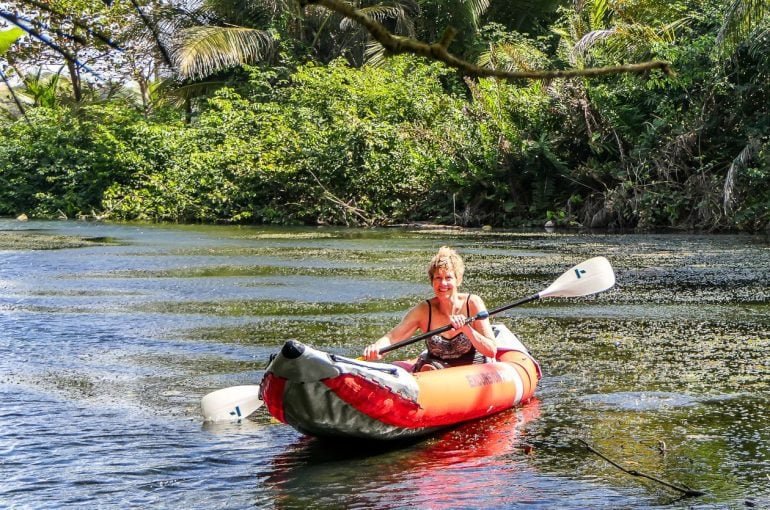
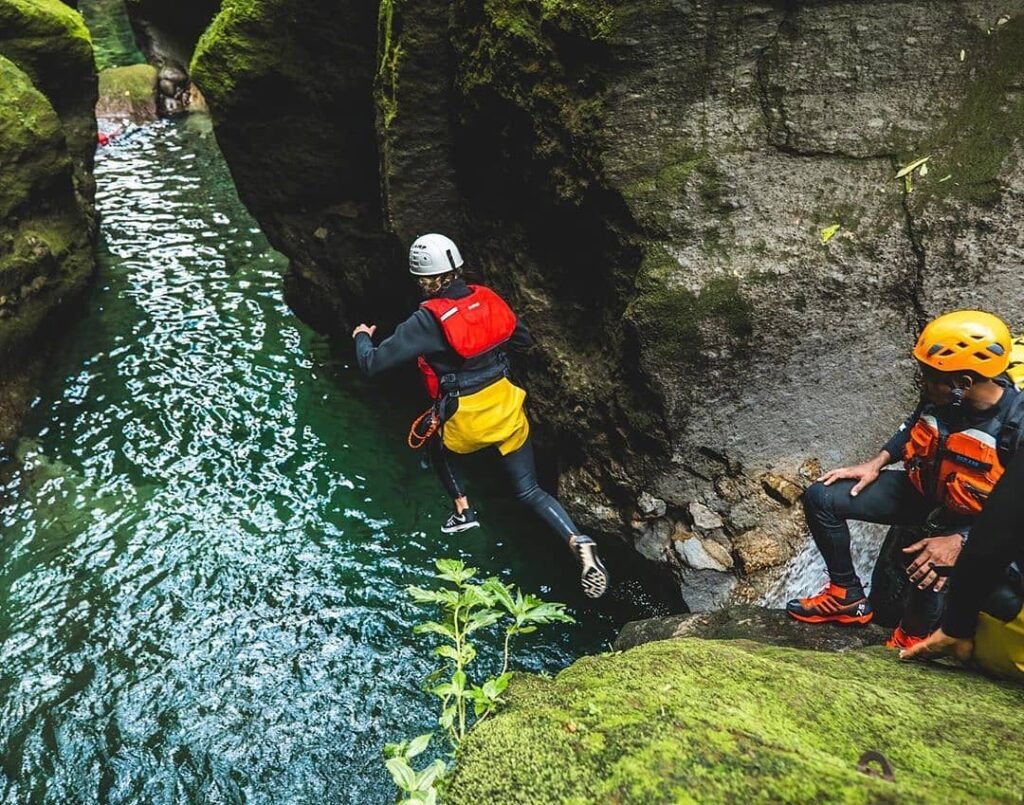
Even if water isn’t your comfort zone, don’t skip Dominica’s aquatic adventures—snorkeling, canyoning, even scuba diving are still accessible. With fins, life jackets, and pro guides, almost anyone can join in. For scuba diving, the PADI Discover Diving course is perfect for beginners and includes everything you need to go 30 feet down safely with a certified instructor.
7. High Season Isn’t Always the Best Season
Peak tourism hits from November to April—aka cruise ship season. If you want fewer crowds, consider traveling in the shoulder months. Yes, summer can bring showers, but they’re usually brief and leave plenty of sunshine behind.
If you’re visiting during the cruise rush, plan your adventures for the morning before the ships unload. It’s your best chance to enjoy popular sites in peace.
8. Looking for a Meaningful Souvenir? Visit the Kalinago Territory
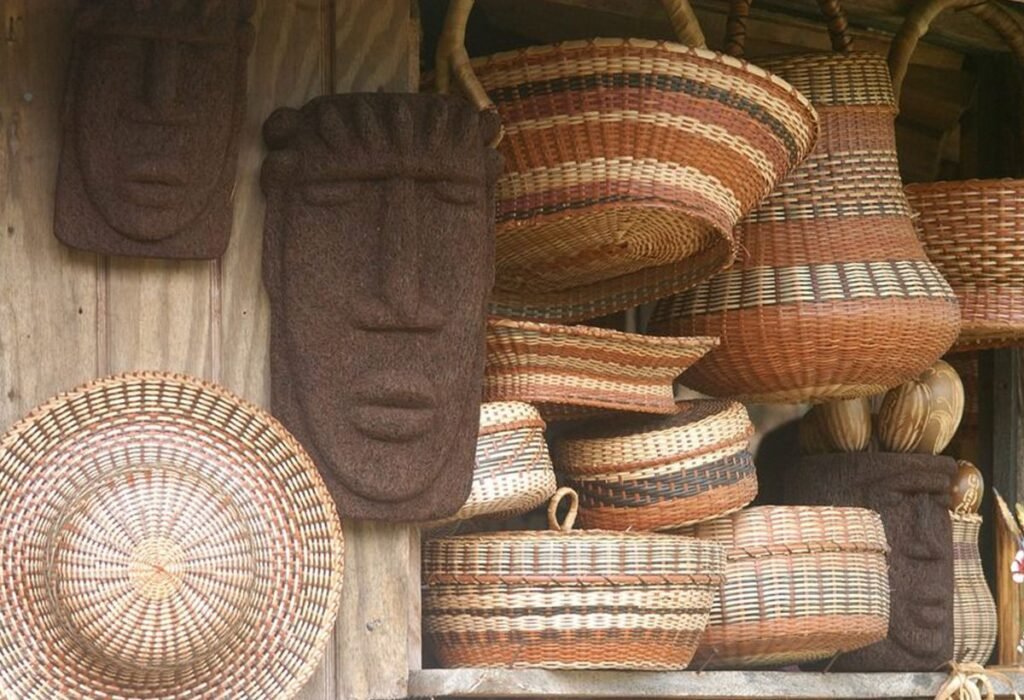
Dominica is home to the Kalinago—the last community of Indigenous Caribs in the Caribbean. They’ve held on to centuries of tradition, including beautiful basket-weaving.
Head to Barana Autê, where you’ll find handmade crafts for sale. The artisans are often nearby and happy to explain how they work with larouma reed to achieve their rich, natural colors. Your purchase supports a living culture and a centuries-old craft.
9. Save the Hot Springs for a Rest Day
Don’t rush to the hot springs on your first day. Save them for after your big hikes—Boiling Lake, canyoning, long stretches of the Waitukubuli Trail. After that kind of exertion, sinking into warm, mineral-rich water is a blissful reward.
10. Got a Question? Just Ask a Local
Dominicans are friendly, open, and incredibly helpful. Whether you’re looking for a trailhead, someone named Marvin, or just the best nearby lunch, someone will know—and probably point you right to it.
The island’s tight-knit communities don’t rely much on street signs. Why? Because “everyone knows where everything is.” Trust the locals. They’ve got you.