| For a single applicant | USD 230,000 |
| Family of 3 or more | USD 230,000 |
| Family of 5 or more | USD 230,000 |
| For a single applicant | US$10,000 |
| For a family of 4 or less | US$20,000 |
| Family of 5 or more | US$ 20,000 plus an incremental amount of US$10,000 from the 5th dependent onwards. |
| For a single applicant | $8,500 |
| For a family of 4 or less | $8,500 + $5,000 for spouse, $2,000 per dependent of 12-17 age , $4,000 per dependent over 18 |
| Family of 5 or more | $8,500 + $5,000 for spouse, $2,000 per dependent of 12-17 age , $4,000 per dependent over 18 |
Explore the full list of Barbuda visa free countries you can visit with a Barbuda passport. Plan your next adventure with ease and confidence.
Barbuda is a small, tranquil island in the Caribbean that forms part of the twin-island nation of Antigua and Barbuda. Known for its untouched beaches, pink sand shores, and low population density, Barbuda has gained increasing attention from travelers, investors, and individuals seeking a peaceful lifestyle away from crowded urban centers.
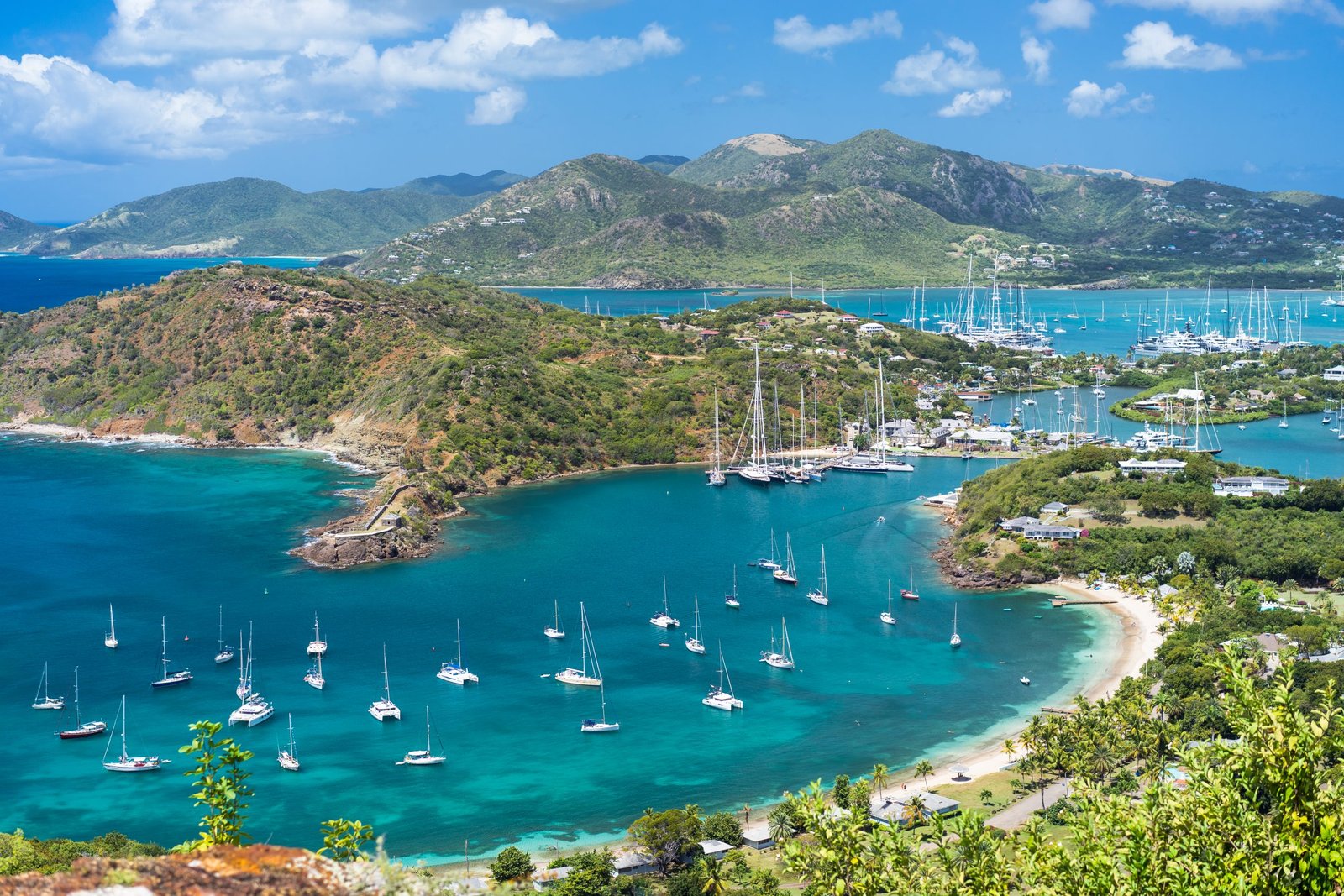
Located in the eastern Caribbean Sea, Barbuda lies about 48 kilometers north of Antigua. Together, they form the sovereign state of Antigua and Barbuda, a popular destination for tourism, luxury real estate development, and citizenship-by-investment programs.
One of Barbuda’s most defining features is its natural environment. The island is flat, mostly coral limestone, and surrounded by shallow turquoise waters. Unlike many Caribbean destinations, Barbuda remains largely undeveloped, which has helped preserve its ecological beauty.
Barbuda is especially famous for its long stretches of pink and white sandy beaches. These beaches are not crowded, making them ideal for visitors seeking privacy and exclusivity. The island is also home to the Frigate Bird Sanctuary, one of the largest colonies of magnificent frigate birds in the Western Hemisphere. This protected area attracts eco-tourists and bird watchers from around the world.
The natural landscape of Barbuda makes it an important ecological zone, with mangroves, lagoons, and coral reefs playing a key role in the island’s biodiversity.
Life in Barbuda is slow-paced and community-oriented. The population is small, and residents often live in close-knit communities. Unlike major Caribbean tourism hubs, Barbuda offers a more rustic and authentic island lifestyle.
Infrastructure is still developing, but improvements in roads, housing, and utilities have been gradually introduced over the years. The island is ideal for individuals who value privacy, nature, and simplicity over urban convenience.
Many people visit Barbuda from its sister island Antigua, which provides more developed infrastructure, international airports, and commercial facilities. The connection between the two islands ensures that residents of Barbuda still have access to essential services when needed.
Tourism is one of the main economic drivers in Barbuda. However, it is not mass tourism like other Caribbean islands. Instead, Barbuda focuses on eco-tourism, luxury retreats, and boutique hospitality experiences.
High-end resorts and private villas have started to appear in select areas, attracting wealthy travelers seeking exclusivity. These developments are carefully managed to maintain the island’s natural charm.
Fishing and small-scale agriculture also contribute to the local economy. However, employment opportunities on the island remain limited, which is why many residents also rely on support from Antigua.
In recent years, Barbuda has attracted attention from international investors. The island offers opportunities in luxury real estate, eco-resorts, and sustainable development projects.
Land ownership in Barbuda is unique because most land is communally owned by Barbudans, meaning development requires careful negotiation and government approval. This system helps protect the island from overdevelopment but can also make investment processes more complex.
Despite these challenges, interest in Barbuda continues to grow, especially among investors looking for long-term appreciation in exclusive coastal properties.
Barbuda is part of Antigua and Barbuda, which operates a well-known Citizenship by Investment (CBI) program. Through this program, foreign investors can obtain citizenship by making a qualifying financial contribution to the country.
The program offers several investment options, including government donations, real estate investments, and business contributions. While Barbuda itself is not a separate citizenship jurisdiction, developments on the island often fall under the broader national investment framework.
Many investors are attracted to Antigua and Barbuda’s CBI program due to its relatively fast processing time and visa-free travel benefits to numerous countries.
Barbuda has faced challenges in infrastructure development, especially after natural disasters such as hurricanes. However, rebuilding efforts have led to gradual improvements in housing, utilities, and public facilities.
The island has limited but essential infrastructure, including a small airport, government buildings, and basic healthcare facilities. Most commercial and administrative services are still handled in Antigua.
Sustainable development is a key focus for Barbuda’s future. Authorities aim to balance tourism growth with environmental protection, ensuring that the island remains pristine for future generations.
The culture of Barbuda is deeply rooted in Caribbean traditions. Music, storytelling, and fishing play an important role in daily life. The island’s heritage reflects a blend of African, European, and indigenous influences.
Community life is central to Barbuda’s identity. Residents often participate in local festivals, cultural events, and communal activities. This strong sense of community contributes to the island’s peaceful and welcoming atmosphere.
Despite its beauty, Barbuda faces several challenges. Limited infrastructure, small population size, and vulnerability to hurricanes are ongoing concerns. Economic opportunities are also limited compared to larger Caribbean islands.
Development must be carefully managed to preserve the island’s ecosystem while improving living standards. Balancing investment with environmental protection remains one of Barbuda’s biggest priorities.
The future of Barbuda is closely tied to sustainable development and strategic investment. There is growing interest in eco-friendly tourism and luxury real estate that aligns with environmental preservation goals.
As global demand for private, untouched destinations increases, Barbuda has the potential to become a premium eco-luxury destination in the Caribbean. Its association with Antigua and Barbuda also strengthens its international visibility and investment appeal.
Barbuda is a unique Caribbean island known for its natural beauty, peaceful lifestyle, and emerging investment opportunities. While still largely undeveloped, it offers significant potential for eco-tourism and luxury real estate.
As part of Antigua and Barbuda, Barbuda benefits from national programs and international recognition, especially in the citizenship and investment sector. For travelers, investors, and nature lovers alike, Barbuda represents a rare blend of tranquility, exclusivity, and long-term potential.