
- +971 4 575 4349
- +971 50 291 4415
Living in Antigua and Barbuda offers a balance of relaxed Caribbean lifestyle, modern amenities, and long-term stability. For new citizens, understanding everyday life—from healthcare and education to housing, cost of living, and local culture—is essential for a smooth transition. This guide outlines what to expect when living, spending time, or planning a future relocation in Antigua and Barbuda, helping new citizens make informed and confident decisions.
Antigua and Barbuda is more than a destination for second citizenship—it is a country that offers a relaxed lifestyle, political stability, and long-term security for individuals and families. For new citizens, understanding daily life, infrastructure, culture, and practical considerations is essential when planning visits, partial residence, or future relocation.
This guide provides a comprehensive overview of what new citizens can expect when living in or spending time in Antigua and Barbuda.
Overview of Life in Antigua and Barbuda
Antigua and Barbuda is a Caribbean nation consisting of two main islands, known for their natural beauty, calm environment, and friendly communities. The country operates under a stable democratic system and is a member of the Commonwealth, which contributes to its strong international reputation.
Life on the islands moves at a comfortable pace, offering a balance between modern convenience and island tranquility. Many new citizens choose Antigua and Barbuda as a lifestyle base, a family retreat, or a long-term security option rather than a full-time relocation.
Climate and Natural Environment
The country enjoys a warm tropical climate throughout the year, with temperatures generally ranging between 24°C and 30°C. This makes it ideal for outdoor living, beach activities, and water sports.
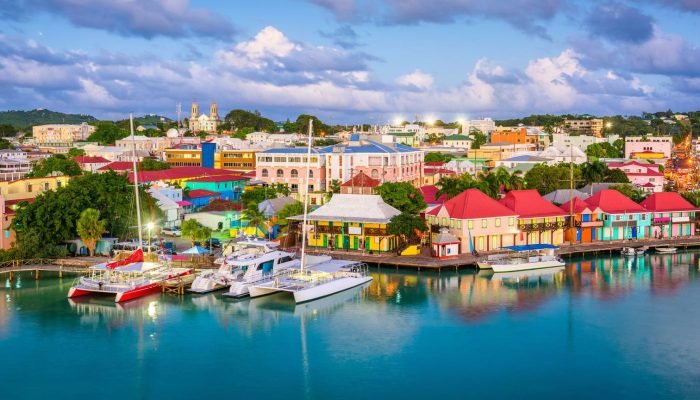
Antigua is famous for its beaches, clear waters, and sailing culture, while Barbuda is known for its untouched nature and quiet atmosphere. New citizens often appreciate the healthy outdoor lifestyle and the opportunity to disconnect from high-pressure urban environments.
Housing and Real Estate
Antigua and Barbuda offers a variety of housing options, including beachfront villas, gated residential communities, apartments, and private homes. Many properties are designed to suit both short-term stays and long-term living.
The real estate market is well-regulated, and foreign buyers are allowed to purchase property with the appropriate approvals. For new citizens, real estate investment can serve both as a lifestyle choice and a long-term asset.
Healthcare and Medical Services
The country provides both public and private healthcare facilities. While public hospitals cover general medical needs, many residents prefer private clinics for faster access and specialized care.
For advanced medical treatment, some residents travel to nearby countries or international medical centers. Many new citizens choose to maintain international health insurance for added peace of mind.
Education and Schools
Antigua and Barbuda offers a range of educational options, including public schools, private institutions, and international-style schools. English is the official language, making education easily accessible for international families.
Higher education opportunities are also available, including medical universities that attract students from around the world. This makes the country suitable for families planning long-term educational options.
Cost of Living
The cost of living in Antigua and Barbuda varies depending on lifestyle. Imported goods can be more expensive, while locally produced items, services, and housing can be affordable.
Utilities, transportation, and domestic services are generally reasonably priced. Many new citizens find the cost of living manageable, especially when compared to major international cities.
Safety and Community
Antigua and Barbuda is considered a safe country with a strong sense of community. Local people are welcoming, and English-speaking culture makes social integration easier.
Most residential areas popular with expatriates and investors offer good security, and the overall environment is family-friendly and peaceful.

Business Environment and Work Opportunities
The country encourages foreign investment and entrepreneurship. Key sectors include tourism, hospitality, real estate, and professional services.
While Antigua and Barbuda is not typically chosen for large-scale industrial operations, it is ideal for remote business owners, consultants, and international entrepreneurs who value flexibility and lifestyle.
Tax and Financial Considerations
One of the major attractions for new citizens is the favorable tax environment. Antigua and Barbuda does not impose personal income tax on worldwide income, capital gains tax, or inheritance tax.
This makes it an attractive jurisdiction for wealth planning, asset protection, and long-term financial structuring. Many citizens choose to use Antigua and Barbuda as part of a broader international planning strategy.
Travel and Connectivity
Antigua and Barbuda has an international airport with direct flights to key destinations in North America, Europe, and the Caribbean. Travel connections are convenient for business travelers and frequent flyers.
Citizens benefit from strong passport mobility, making international travel easier for both business and leisure purposes.
Cultural Life and Lifestyle
The country has a rich cultural heritage influenced by African, British, and Caribbean traditions. Music, food, festivals, and sailing events play an important role in daily life.
New citizens often enjoy a balanced lifestyle that includes social events, outdoor activities, and cultural celebrations, without the stress associated with large metropolitan cities.
Residency and Physical Presence
Citizenship does not require permanent residence in the country. However, citizens are encouraged to maintain a connection with Antigua and Barbuda, whether through visits, property ownership, or business activities.
This flexibility is particularly attractive for globally mobile individuals and families.